
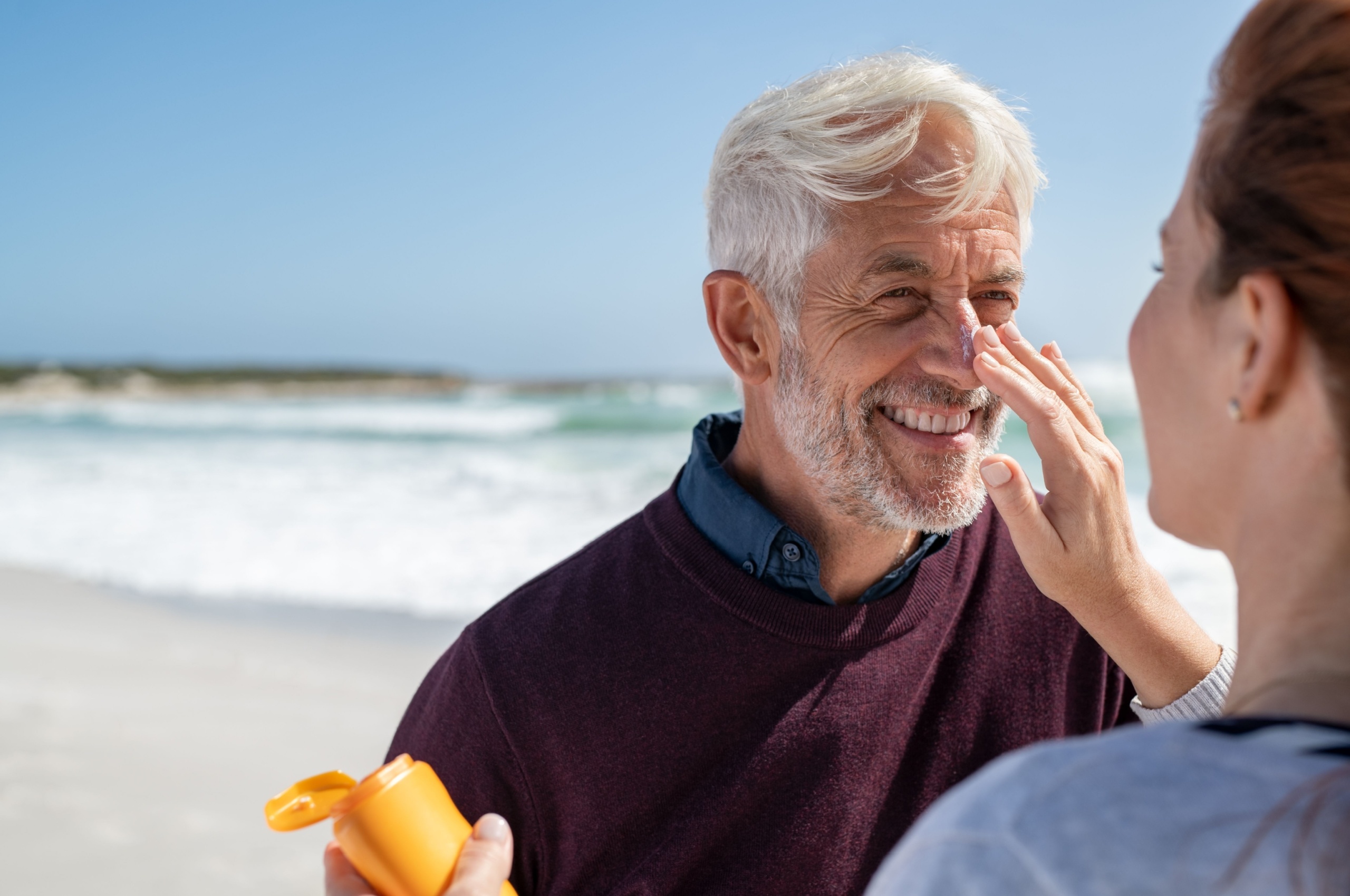
Summertime in the UK is generally a stop-start affair, with a few nice days sending us rushing for the barbecue, only for us to then be hit with more rain and even storms.
However, as we head into the (hopefully) warmer and sunnier months, it’s important to keep an eye on your suncare regime.
While it’s good to get out into the sunshine and enjoy all its benefits, there are some considerations to make sure you’re well-protected, too.
Soak up the vitamin D, but make sure you’re protecting your skin in the sun
Sunlight in small doses can be good for you. Its UV rays can help our bodies make vitamin D, which supports bones, teeth, and muscle health.
It can be difficult to get enough vitamin D from food alone, so making the most of sunshine when it’s here can help. According to WebMD, around 15 minutes of exposure to sunlight – or up to 30 minutes if you’re dark-skinned – can be enough to top up your vitamin D levels and keep your risk of sunburn low.
However, it’s important to be vigilant about how much time you spend in the sun. UV rays can cause damage to the skin, which in turn can lead to melanoma, a type of skin cancer.
According to the BBC, around 17,000 cases of melanoma annually are preventable, with 9 in 10 caused by exposure to UV rays.
The biggest increase has been found in adults over 80, with diagnoses rising from 61 to 96 cases per 100,000 people over a decade.
Protecting yourself in the sun
1. Use the right sunscreen
The NHS recommends a sunscreen with at least SPF 30, which is a measure of the amount of ultraviolet B (UVB) protection. It also recommends at least 4-star ultraviolet A (UVA) protection.
Apply it liberally and frequently, making sure to cover all exposed areas of your body, and remember to reapply it after swimming.
Water, sweat, and towel drying can all rub away sunscreen. The sun can also dry it out, so make sure to top up your sunscreen every two hours.
2. Remember the hidden spots
If you have thinning hair, then your scalp, ears, and the back of your neck can all be more prone to sunburn.
A baseball cap can still leave areas exposed, so instead go for a wide-brimmed hat, which casts a shadow over your face and neck.
3. Check your timings
When you go out in the sun can also make a difference. According to Cancer Research UK, the sun’s UV rays tend to be at their strongest between 11 am and 3 pm, meaning this is when you’re most likely to burn.
They suggest using the “Shadow Rule”, which you can use wherever you are in the world. If your shadow is shorter than you, UV rays are at their strongest.
4. Don’t be fooled by cloudy weather
If you live in the UK, you’ll know that summer doesn’t always mean sunshine. Cloudy, overcast days are just as likely, but these don’t necessarily mean you’re safe from the sun.
UV radiation, not heat, causes sun damage, and cloud cover will only block a small fraction of UV rays.
If you have a standard weather app, you can check the UV Index – if it’s showing as 3 or higher, then your skin could be exposed to high levels of UV, and it’s a good idea to wear sunscreen, even if it feels cool or is overcast.
5. Cover up with the right clothing
Wearing loose clothing made from fabrics like linen or cotton can also add a layer of protection.
Opt for bright or dark colours, as these can absorb more UV rays than paler shades, helping to keep your skin protected.
While everyone needs to take some precautions in the sun, this is particularly important if you have:
- Light skin tone and light-coloured hair or eyes
- Lots of moles or freckles
- Personal or family history of skin cancer.
Speak to your GP if you notice any new, changing, or unusual marks on your skin, or any changes to or concerns about moles.
Get in touch
We can help to protect your finances, whatever the weather. Email hello@intelligentpensions.com or call 0800 077 8807 to find out how we can help.
Please note
This article is for general information only and does not constitute advice. The information is aimed at individuals only.
All information is correct at the time of writing and is subject to change in the future.